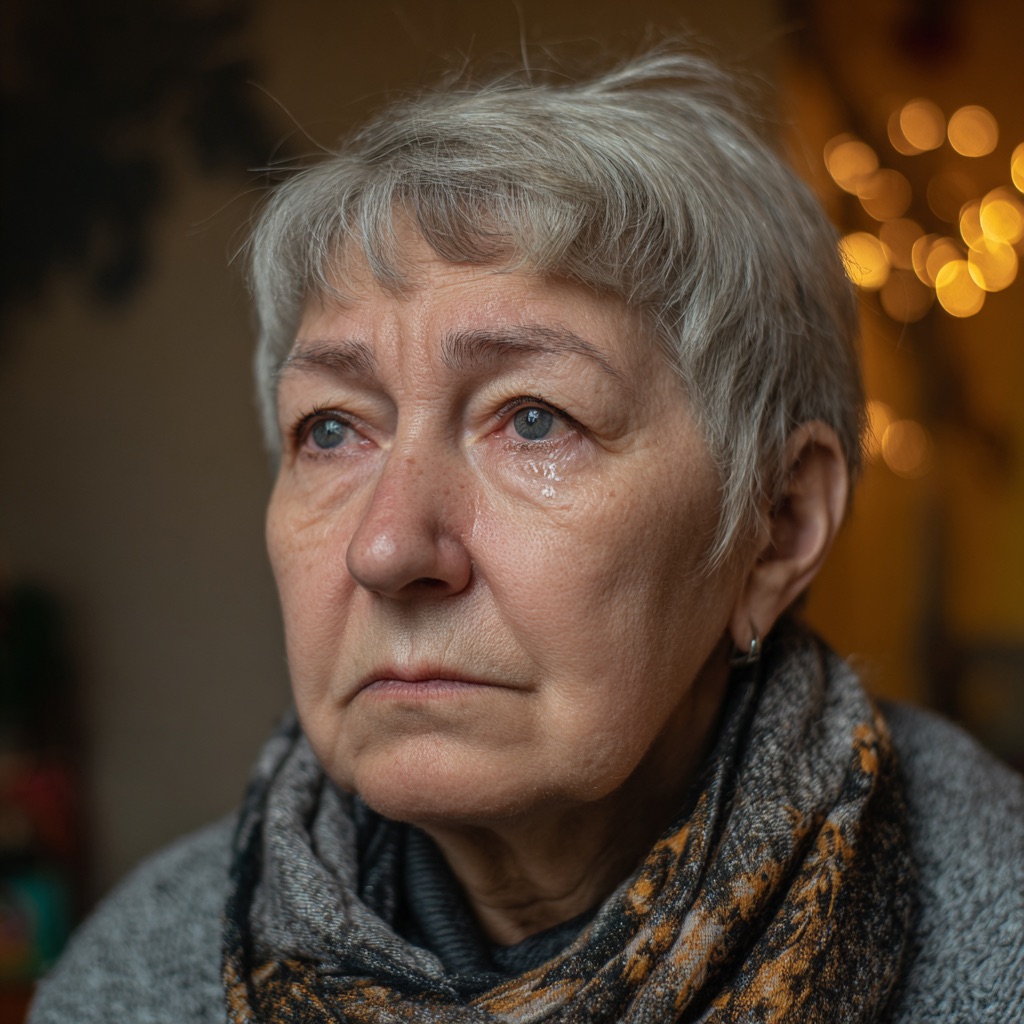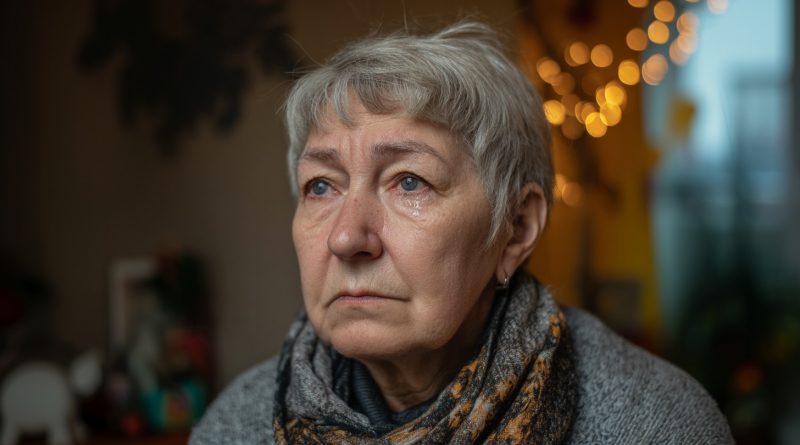
My daughter-in-law was always tense when I visited, until I overheard a conversation with her mother and discovered the real reason…
I always tried to be a good mother-in-law. I didn’t meddle in their lives, didn’t give unsolicited advice, and only visited when invited. But every time I knocked on the door, I could feel it — my daughter-in-law was tense.
She greeted me with a smile, but it was tense and unnatural. Her hands shook when she poured tea. The conversation didn’t flow — monosyllabic answers, sideways glances, a constant tension in her shoulders. I wondered if I was visiting too often or saying something wrong.
My son assured me that everything was fine, that his wife was just shy, and that she needed time to adjust. But years went by, and nothing changed. She remained closed off and wary, as if expecting something to go wrong.
I tried to build a relationship. I gave gifts, helped with the grandchildren, and offered support. But every gesture was received with a painful gratitude, as if I were doing her a favor instead of just being a normal mother-in-law.
One day I arrived earlier than usual. I knocked on the door — no one answered. I heard voices from the balcony; the door was slightly open. I entered quietly, not wanting to startle anyone, and overheard a conversation.
My daughter-in-law was on the phone, her voice trembling: “Mom, I don’t know how much longer I can do this. Every time my mother-in-law visits, I have to smile, hide the bruises, pretend everything is perfect. I’m so ashamed in front of her.”
I froze at the doorway, unable to believe my ears.
She continued through tears: “She is so proud of her son. She thinks we have the perfect family. She tells her friends what a caring husband he is. But he hits me, Mom. Regularly. For every little thing. Yesterday, he hit me because dinner was too salty.”
My legs gave way. I grabbed the wall to avoid falling.
“I can’t tell her,” my daughter-in-law sobbed. “She loves him so much. He is the perfect son to her. If she knew the truth, it would kill her. So I put on a smile, hide the bruises under my clothes, and pretend to be happy. But inside, I’m dying.”
I don’t remember how I walked onto the balcony. My daughter-in-law turned, saw me — and went pale. Her phone fell from her hands.
We stood in silence. I looked at her — at the long sleeves on a hot day, the foundation clearly covering something on her neck, her frightened eyes.
I asked quietly: “Show me.”
She shook her head and backed away. I repeated firmly: “Show me.”
She slowly rolled up her sleeve. Bruises. Fresh and old, yellow, purple. Finger marks on her wrists. I took her hand, gently ran my fingers over the marks. My daughter-in-law cried silently.
I asked: “How long?”
She whispered: “Since the first year of marriage. At first, rarely. Then more often. Now almost every week.”
I felt rage rising within me, mixed with unbearable pain and shame. My son. My child, whom I raised, taught kindness and respect. Lifting a hand against a woman.
I asked: “Why didn’t you say anything?”
She looked at me through tears: “You’re his mother. You’re always on his side. I was afraid you wouldn’t believe me. Or that you’d believe me and blame me — that I provoked him, that it’s my fault.”
Those words hurt the most. Because I realized — she saw me not as an ally, but as part of the problem. She feared me just as she feared my son.
I hugged her. Tightly, as I would hug my own daughter. I whispered: “I’m sorry. I’m sorry I didn’t notice. I’m sorry you were afraid to tell me.”
That day I took her and the children to my home. I called my son and said coldly: “Come over. We need to have a serious talk.”
When he arrived, I didn’t let him speak. I showed him the photos of the bruises, which I had taken with my daughter-in-law’s permission. I asked: “Is this you?”
He tried to justify himself. Said she was exaggerating, that these were just arguments, that she pushed him to it. I stopped him: “You raised a hand against a woman. The mother of your children. Nothing justifies violence. Nothing.”
I told him he was seeing a psychologist, going through therapy, working on himself — or I would go to the police. That my daughter-in-law remains with me until she feels safe. That I’m on her side, not his.
He looked at me in shock. He couldn’t believe a mother could stand against him.
Six months have passed. My son is attending therapy, working with an anger management psychologist. My daughter-in-law is still living with me with the children. She’s gradually thawing, starting to smile genuinely, without fear. Sometimes she thanks me, but I tell her every time — there’s nothing to thank. I should have noticed sooner.
We don’t know if she will return to him. That’s her choice, when she’s ready. If ever. But she knows — she has support. She has a place where she is safe.
Sometimes I wonder: how many women remain silent, fearing their mother-in-law will side with their son? How many mothers turn a blind eye to violence, protecting their own children instead of the victims? And where is the line when love for a child shouldn’t prevent seeing the truth? How would you have acted in my place?
********
Every time I came to visit, my daughter-in-law tensed up, as if she were expecting something or afraid of something. Her look was sharp, her words cold, and her smile rare and strained. I tried to be careful, thinking she was just shy and needed time to get used to me. One day I arrived earlier than usual and overheard her phone conversation with her mother… What I heard froze me with fear. It turned out the reason for her behavior was nothing like I had thought, and when I realized the truth, my heart tightened with pain…
Continue reading in the comments