The Day My Triplets Were Born Should Have Been the Happiest of My Life. But it Turned Into a Nightmare…
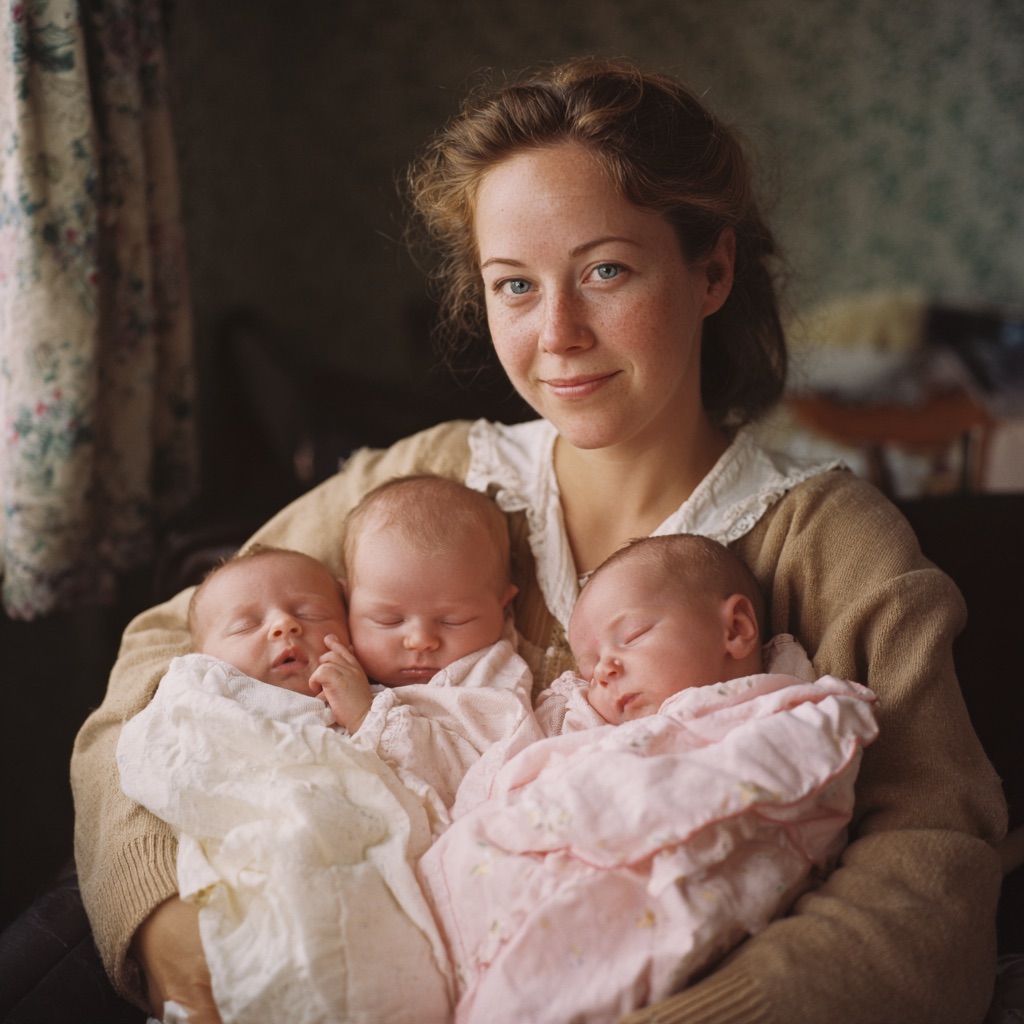
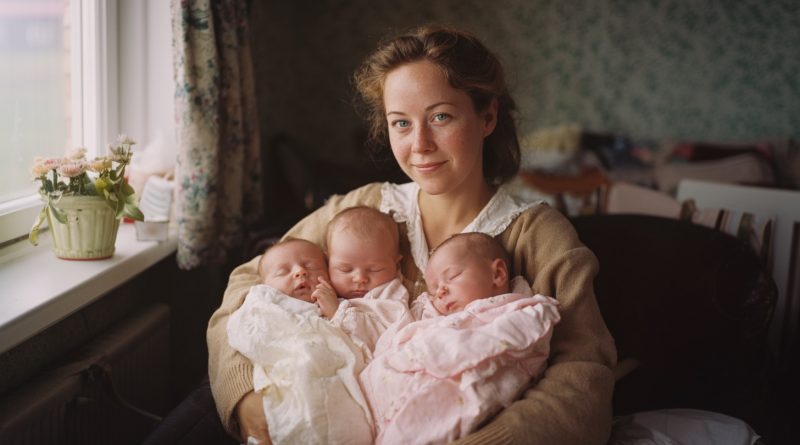
The labor lasted twelve hours. Hard, exhausting, pushing me to my limits. When it was all over, I could barely stay conscious. The doctors brought in three tiny cribs and placed them beside my bed. Three girls. My daughters.
I looked at them through a haze of fatigue, feeling both love and fear. Three little lives for which I was now responsible. Three defenseless beings who would depend on me.
My husband came into the room an hour later. He approached the cribs, looking into each one. I saw how his expression changed. From curiosity to confusion, from confusion to disappointment, from disappointment to anger.
“All three girls?” he asked coldly.
“Yes,” I whispered. “Three daughters.”
He stepped back from the cribs, looking at me accusingly.
“You did this on purpose. This can’t be a coincidence. You took something, did something to make sure you had girls.”
I didn’t understand what he was saying. I lay there, exhausted, trying to comprehend his words.
“I spent the whole pregnancy dreaming of a son. An heir. And you gave birth to three girls. Three! As if to spite me.”
“It’s not up to me,” I managed to say. “A child’s gender is determined…”
“Don’t lecture me on biology!” he interrupted. “I won’t raise daughters. That’s not why I got married. I needed a son to carry on my lineage, to inherit my business. And these…” he said, sneering at the cribs. “I don’t want them.”
He left. Just turned around and walked out of the maternity hospital, leaving me alone with three newborn daughters.
I lay there in disbelief. I thought it was shock, exhaustion, that he would come back, apologize, and say he didn’t mean it. But he didn’t come back. He sent divorce papers a week later.
I was left alone. With three babies, without a job, without support. My husband paid the minimum child support through the court but refused to see his daughters. He told acquaintances he had no children.
The first years were hell. I didn’t sleep, worked two jobs, survived on the edge. Feeding three, clothing three, healing three. Sleepless nights when all three cried at once. Despair, exhaustion, fear that I couldn’t cope.
But I did cope. Because every time I looked at their faces, I saw not disappointment, but a miracle. Three completely different personalities, three amazing people whom I loved more than life itself.
They grew up. Smart, talented, determined. One became passionate about science, another about art, and the third about sports. I supported each one, celebrated each of their successes, and was proud of them in a way their father never could have been.
When they turned fifteen, he suddenly showed up. He called, asking to meet. He said he wanted to meet his daughters.
Turns out, they had become known in their fields. One won a national math competition. Another received a scholarship to a prestigious art school. The third joined the youth national track and field team.
He saw their photos in the newspapers, heard the surname – his surname – and suddenly wanted to be part of their lives. To be proud of them. To tell acquaintances what talented daughters he had.
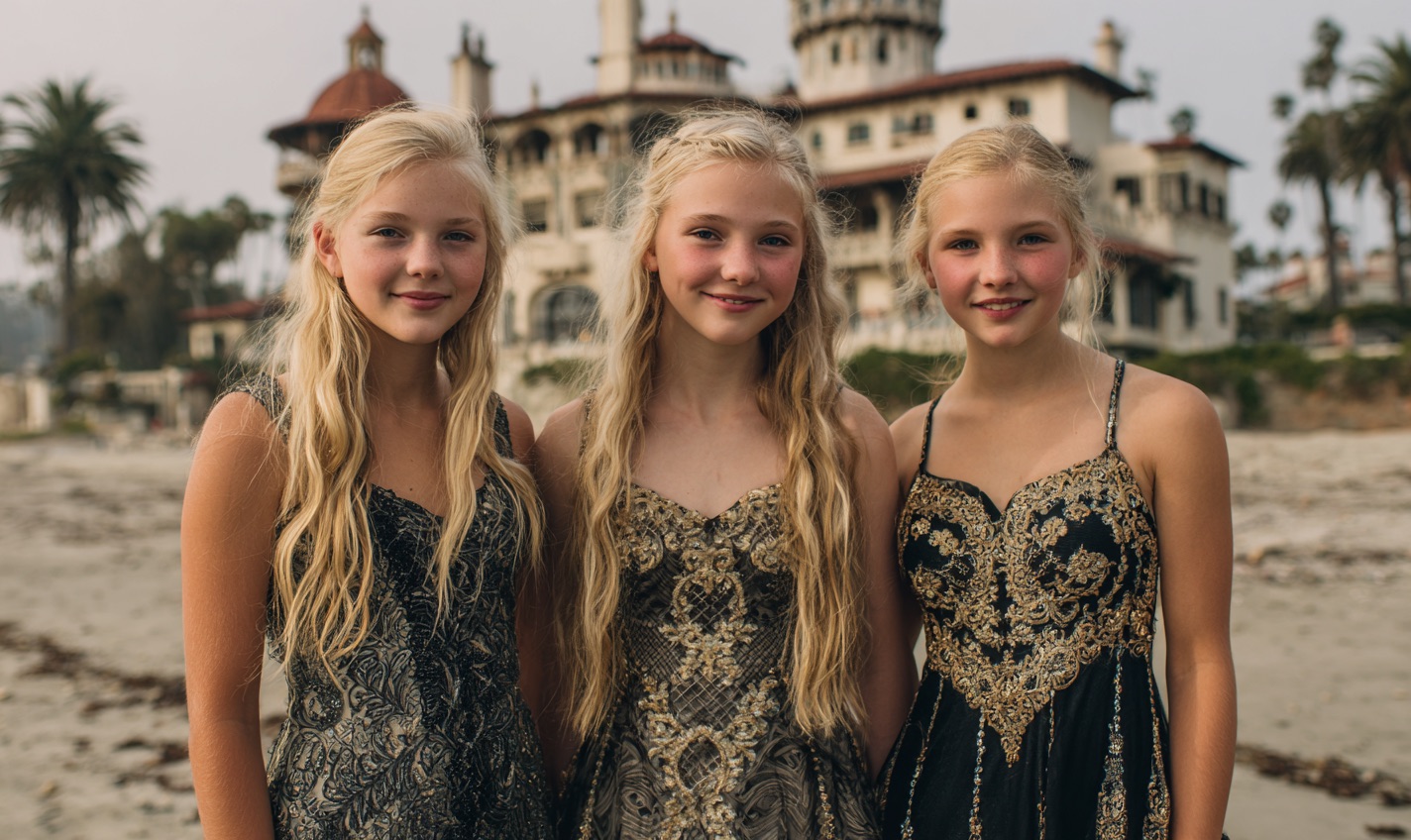
I asked the girls if they wanted to meet their father. They knew the truth – I never hid the fact that he had left when they were born because he wanted a son, not daughters.
The eldest replied first:
“No. He rejected us when we were just hours old. Because we were the wrong gender. We mean nothing to him.”
The middle one added:
“For fifteen years, he didn’t care if we were even alive. And now, having achieved something, he suddenly wants to be a father? No. That’s not how it works.”
The youngest said quietly:
“We have our mom. She was there for all three of us. She loved us, even when it was unbearably hard. She is our family. And he… he’s a stranger.”
I passed their response to my ex-husband. He tried to insist, saying he had the right to see his children. But legally, they could refuse the meetings at their age. And they did refuse.
They are thirty now. All three are successful in their fields. One is a Ph.D., working at a research center. Another is a recognized artist, with her works displayed in galleries. The third is a professional athlete, having participated in international competitions.
Their father occasionally writes to me. He asks to arrange a meeting. He says he regrets it, that he wants to correct his mistake.
But I don’t arrange meetings. It’s not my decision. It’s my daughters’ decision. And they have made their choice.
He wanted a son – an heir. Instead, he got three daughters, whom he rejected. And now, when they have become who they are, he wants to come back and be proud of them.
But pride must be earned. Through presence, love, support. Not through genetics and surname.
My daughters know their worth. They know that their value is not in their gender but in the kind of people they have become. And they have become amazing – without a father who considered them a mistake of nature.
Would you give a father a second chance after fifteen years if he rejected the children at birth just because of their gender? Or are there decisions whose consequences cannot be undone by belated regrets?
*********