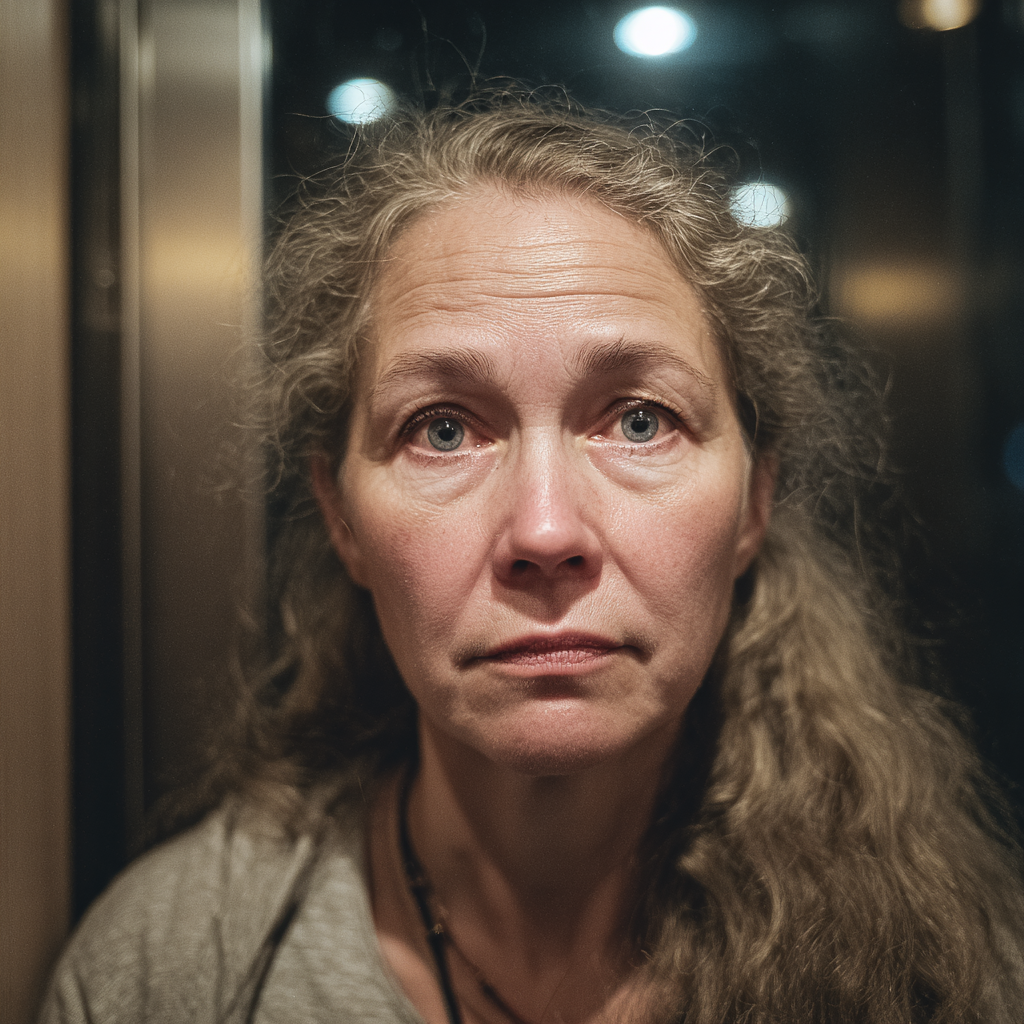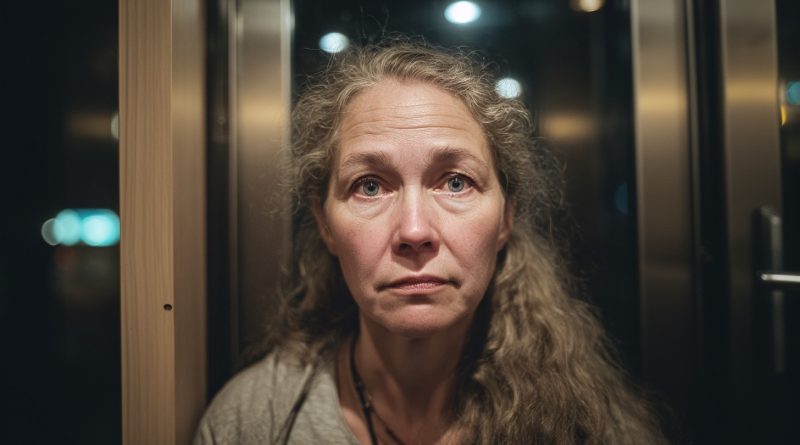
We hired a caregiver for my sick father, but after overhearing her phone conversation, I realized that my father was in danger…
My father fell ill two years ago. A stroke. The left side barely worked, speech impaired. He couldn’t live alone. My brother and I tried to take turns visiting, but work, families, kids. Distances. I live two hours away, my brother even further. We decided to hire a caregiver.
We found one through an agency. A woman in her fifties, experienced, with recommendations. Pleasant to talk to, attentive. At first, my father resisted — he didn’t want a stranger in the house. But gradually, he got used to her.
I called every day. Visited on weekends when I could. Sometimes once every two weeks. Sometimes less often. Work consumed all my time. The kids, their school, their problems. I felt guilty but reassured myself — he has a caregiver. He’s not lonely.
In the last few months, my father became strange. Cold. When I visited, he looked at me like I was a stranger. Gave short answers. Turned away. I thought — consequences of the stroke. Personality changes, the doctors warned.
But the caregiver was always there. Fussing, caring, smiling. “Don’t worry, I’m taking care of everything. You can work peacefully.” And I believed her. I even thanked her.
Last Friday, I came unexpectedly. Took a day off, decided to spend the day with my father. Entered quietly — I had keys. In the hallway, I heard her voice. She was talking on the phone in the kitchen, unaware that I had arrived.
“He already says I’m like a daughter,” — she said. Her voice was pleased, confident. “The actual kids barely see him. It’s just a matter of time to rewrite the will. I told you — this is a long-term project, but it will work.”
My insides froze. My hands trembled. I stood in the hallway, unable to move.
She continued: “The daughter visits once a month for an hour, the son, even less frequently. I tell him every day — they abandoned you, you mean nothing to them. And I care, I’m here. He believes already. Yesterday he asked about drafting a new will.”
My heart was pounding, throbbing in my temples. I entered the kitchen. She turned, saw me. Her face changed for a second — fear, anger. Then back to the mask of care.
“Oh, you’re here! That’s great, I was just…”
“Leave,” — I said quietly. My voice trembled. “Pack your things and go. Now.”
She didn’t deny it. Just shrugged. “You’re to blame. You abandoned the old man. At least I spend time with him, not just a monthly checkmark.”
That hurt the most. Because there was some truth to it.
When she left, I went to my father. He sat in the chair, looking out the window. I sat next to him, took his hand. He didn’t pull away, but he didn’t turn either.
“Dad, we need to talk,” — I began, a lump in my throat.
He was silent. For a long time. Then quietly said: “Why did you come? You have things to do.”
I cried. For the first time in many years, I just sat and cried, holding his hand. I told him everything — about the overheard conversation, how she manipulated him. He listened. Then he cried too.
“I thought you really forgot about me,” — he whispered. “She was saying… And I believed. Because you rarely visited. Rarely called. And it was easier for me to believe her than to think that I’m no longer needed.”
Now my father lives with me. I quit my job. My brother helps financially. We’re managing. But that guilt hasn’t gone away. I think about it every day — how easily a stranger shattered what was built over the years. How quickly my father believed we had abandoned him. And the scariest part — we almost did. Not intentionally. Just life, work, concerns.
And the caregiver just took advantage of it. Professionally. Calculatedly.
Tell me honestly: how many elderly people are surrounded by strangers who have replaced their children? And whose fault is it — those who manipulate, or those who gave reason for manipulation because they were too busy with their own lives?
***
After the stroke, my father needed constant care, so my brother and I hired a caregiver. At first she seemed perfect, quiet, polite, always smiling, but over time her cold stare started to unsettle me. In recent months my father began acting strangely: he would turn away as if I were a stranger, and I kept telling myself it was just the aftermath of the illness. Last Friday I came to see him without warning, and the moment I stepped inside, I heard his caregiver on the phone in the kitchen. She was speaking to someone in a harsh, clipped tone, and my father’s name came up in a way that made my blood run cold. That’s when I realized: this woman isn’t just a caregiver, and my father is in danger with her nearby…
Read the continuation in the comments