When Mom passed away, the relatives arrived so quickly, it seemed like they were ready in advance. By the first evening, I realized their true intentions — and decided to act differently…
Mom was fading for three months. I lived between her room, the pharmacy, and the kitchen. I didn’t sleep, didn’t eat properly, forgot what my own life looked like. I held her hand when she could no longer speak, only looked at me with those eyes that made my heart ache. I knew I would soon be alone. But I didn’t know loneliness wouldn’t be the scariest part.
When it was all over, silence filled the house. So dense, I was afraid to move. But it lasted only a couple of hours. Then the phone rang. And it all began.
The relatives appeared so quickly, as if they had been waiting for a signal. Some arrived that same evening. Others came the next morning. All with sympathetic faces, hugs, words of support. I thought it was normal — that people gather together at times like these. But by the first communal dinner, I sensed something was off.
They were looking around the house too attentively. Peeking into rooms too often, as if checking the whereabouts of things. Conversations revolved around anything but Mom. They mentioned her briefly, ceremoniously, in passing. Nonetheless, they were very detailed inquiring about the documents.
“Did she leave a will? Whose name is the apartment in? Where did she keep the important papers?”
They asked the questions softly, diplomatically, as if out of concern for me. But I saw their glances. Heard the pauses. Felt how they were weighing me — whether I understood what was going on or if they could proceed.
At night, I couldn’t sleep. I sat in Mom’s room, sorting through her things. Scarves with her scent, old notes in her handwriting, photographs. I cried quietly so that no one would hear. And in the morning, I’d sit at the table with these people again, listening to their conversations. About “fairness.” About “how to handle everything correctly.” About “so no one feels wronged.”
I felt wronged. Because Mom wasn’t even buried yet, and they were already dividing everything. Because I had been sitting alone at her bedside for three months, and they showed up only now — when there was something to discuss.
By the third day, I realized: if I don’t stop this now, it’ll be too late later. I calmly but firmly stated: I need time. I wouldn’t discuss anything except the funeral. The documents — that’ll be later. Much later.
Their politeness evaporated almost instantly. Someone became cold. Another started hinting that I was “dragging it out” and “acting strange.” Some simply turned around and left, tossing some hurtful remark over their shoulder. It hurt me. I felt ashamed. Like I was doing something wrong. But I stood my ground.
A week later, the house was empty. Left with just sparse, dry messages on my phone and silence. The same silence I had feared. But now it was different — not frightening but liberating.
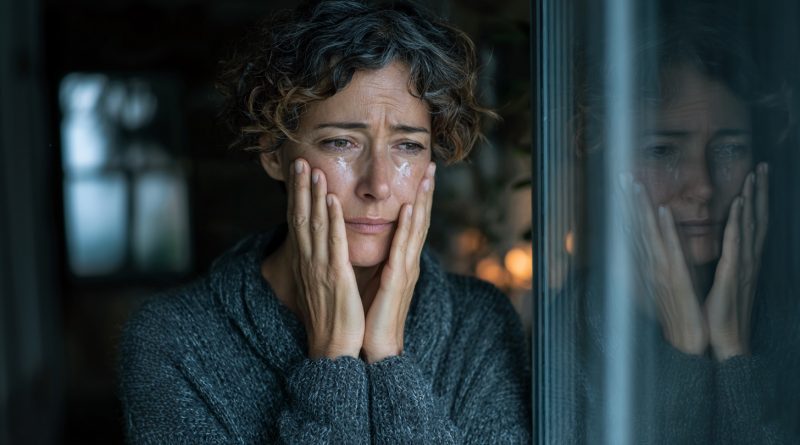
I was left alone with my grief. Genuine, without prying eyes and calculations. I could cry when I wanted. I could sit for hours with Mom’s photograph. I could just breathe without feeling those judging eyes on me.
The house became ours again. Mine and Mom’s. Not a battlefield, not a marketplace. Just a home where I could experience my pain in the way I needed to.
Sometimes I wonder: perhaps I should have acted differently? Told them everything directly, not kept silent, not gone into defense? Or are there things that shouldn’t be explained to people who have lost all sense of decency? What would you have done in my place?
********
When my mother passed away, I expected relatives to come and say goodbye. Instead, they rushed into the house as if they had been waiting for that call. The first question about the inheritance came before I had even wiped away my tears. In that moment, I realized that standing before me were not family, but strangers with greedy eyes. And in that very minute, I made a decision that changed everything…
Read the continuation in the comments