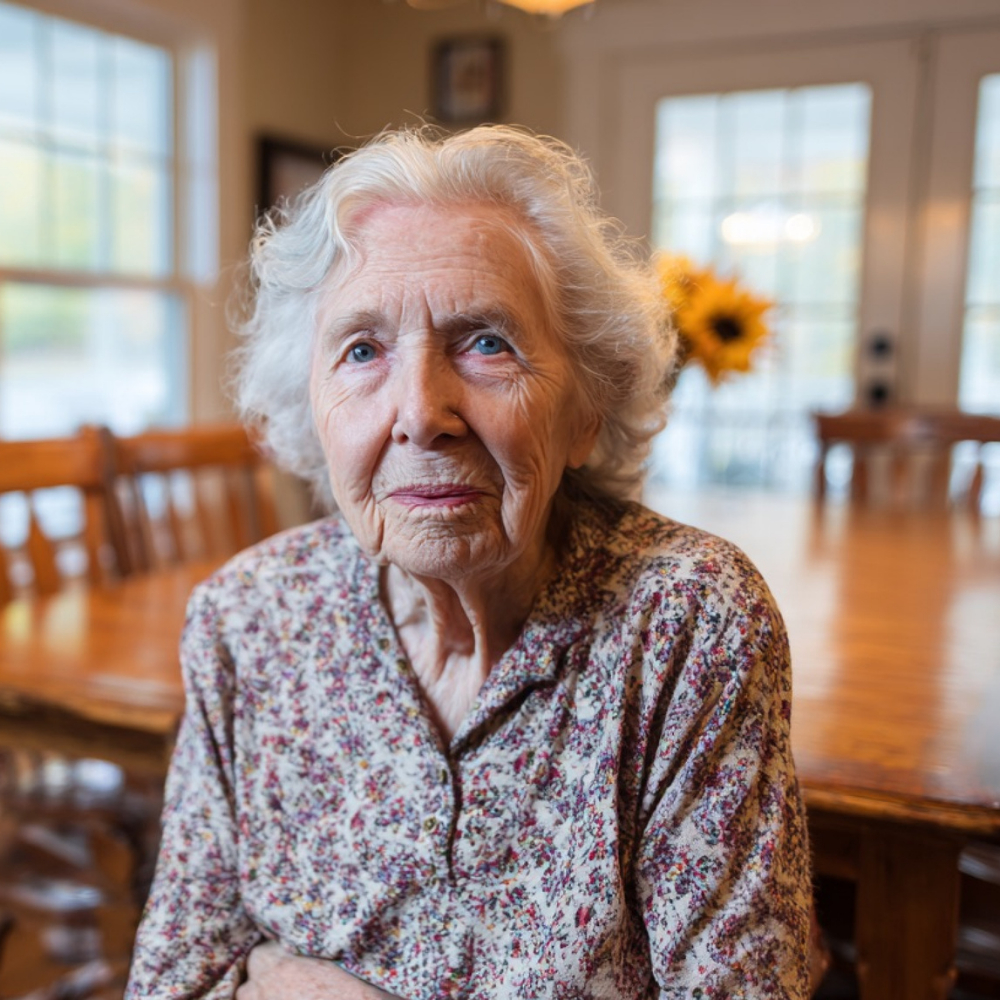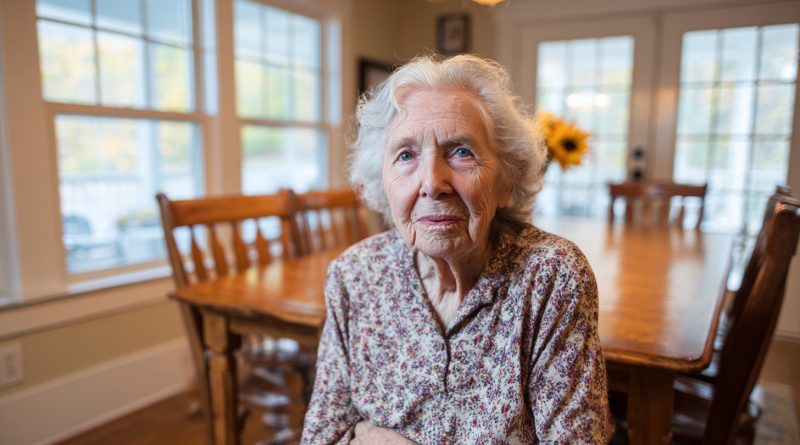
When my mother began to suffer from dementia, my brothers and sisters did not hesitate to take her to a nursing home. But I took her in, not knowing what it would all mean for me…
The diagnosis sounded like a sentence. Dementia, progressive. The doctor spoke of stages, prospects, the need for constant care. But I looked at my mother and couldn’t believe that this confused woman was the one who had always been my support throughout my life.
My brothers and sister held a family meeting. They made the decision quickly: a nursing home. A specialized facility, professional care, everything that was deemed necessary. They had already chosen the place, negotiated the price, and divided the expenses.
I said I would take mom in with me. They looked at me as if I were crazy.
“She won’t recognize you anyway,” my brother said. “In six months, she’ll stop knowing where she is altogether. Why ruin your own life?”
My sister added that I had a career, plans, that I was still young and should think about myself. That mom wouldn’t know the difference—whether she was at home or in a facility.
But I took her in. I renovated my apartment, quit my job because leaving her alone was impossible. I sold almost all my valuables to buy the necessary equipment, medications, adult diapers.
In the first few months, mom still recognized me. Sometimes she called me by name, sometimes she confused me with someone from the past. We would sit in the kitchen, drink tea, and she told stories from her childhood—the same ones, ten times a day. I listened every time as if it were the first.
Then she stopped recognizing me altogether. She called me “girl,” “kind nurse,” and sometimes asked when her children would come. I would say, “Soon, mom,” and she would calm down.
My brothers and sister didn’t visit. They called occasionally, asked “how are things?” and quickly ended the conversation. They had their own lives, their concerns. And I had a mother who was forgetting me more and more every day.
For two years, I lived in this closed-off world. Getting up at six in the morning, feeding, bathing, changing linen. Walking around the apartment when mom got restless. Sleepless nights when she confused day with night. I was losing weight, aging, losing touch with the outside world. But I regretted nothing.
When mom passed away, they all appeared. They came to the funeral in black suits, with solemn expressions. They hugged me, spoke about how tough it must have been for me, how they regretted not being able to help.
And a week later, the notary came. He read the will. Everything was divided equally—a house, savings, family jewels. Four children, four equal shares. I kept silent. I didn’t need this money. I just wanted it all to be over.
But three days after the funeral, I got a call from a stranger. He introduced himself as a notary—a different one, not the one who read the will.
“I have a document concerning your mother’s inheritance,” he said. “We need to meet.”
We met in his office. He pulled out a folder and placed it in front of me.
“Your mother made this will a year and a half ago,” he began. “In one of her lucid periods, when the illness temporarily receded. I personally talked with her, ensured her competence. Invited doctors for an examination. Everything is legally impeccable.”
I opened the folder. I read and couldn’t believe my eyes.
Mom left me the house—entirely. All her savings from accounts I knew nothing about. Family heirlooms, grandmother’s jewelry, grandfather’s old clock. All the most valuable things.
And at the end, a letter written in her own hand:
“To my daughter who stayed. When I write this will, I still understand what’s happening. I know soon I will forget everything—including you. But now I remember. I remember how my other children took me to that terrible place and left without looking back. And you took me home. You sacrificed your life for me when I wasn’t even myself any longer. That’s why everything I truly have belongs to you. The others get what they deserve—a semblance of inheritance, an empty shell. Forgive me if this causes you pain. But justice is more important than peace. I love you. Mom.”
I cried, clutching the letter. Mom remembered. In those last moments of clarity, she understood everything and made what she felt was the right choice.
My brothers and sisters tried to contest the will. They shouted about injustice, claiming that our mother was not of sound mind. But the documents were impeccable. Witnesses, medical evaluations, a video recording where mom calmly explained her decision.
The court sided with me. I received everything mom wanted me to have. And they—only what was in the first, fictitious will that mom had created specifically so they wouldn’t start legal battles too soon.
Now I live in mom’s house. I walk through the rooms where we spent those two years. Sometimes it feels like I hear her voice calling me “girl.” And each time, I thank her—not for the inheritance but for knowing that love is measured not in words but in the willingness to stay when everyone else leaves.
Do you think it’s fair that the mother deprived the other children of the inheritance? Or should the family share everything equally, regardless of who cared and who turned away?
*********************
When my mother developed dementia, my brothers and sisters, without a second thought, took her to a nursing home. And I took her in with me.
– She won’t recognize you anyway. Why ruin your life? – they said.
I lost my job. Sold almost everything. I was left alone with my mother, who with each passing day forgot me more and more.
They never came even once.
When my mother died, they showed up. Only for the will.
Everything was divided equally. I kept silent.
But three days after the funeral, a stranger called me.
His words made my blood run cold.
He said…
Read the continuation in the comments